Mouse Control London - Information on Mice
Domestic & Commercial Mice Problems Solved
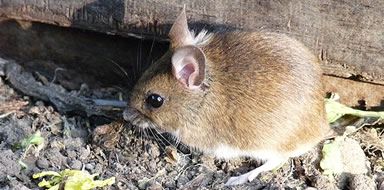
Mice live in dark, quiet places such as under floorboards, behind wall panelling and in roof spaces and can climb rough surfaces, jump and even swim if necessary.
Mice tend to come out in late evening, and therefore are rarely seen, however you may notice any of the following signs of mouse activity: a musty smell - left from the urine, droppings, holes gnawed in food wrapping, boxes and bags.
The most effective form of mouse control is to remove access to their sources of food. This can be achieved by sealing holes larger than 2-3 millimetres, keeping food in tightly fitting containers, cleaning up food spills and keeping rubbish in bins with tightly fitting lids.
We will survey your property to confirm the nature and extent of your mouse problem, identify potential sources of food, identify where the mice are coming from and tell you how to proof these. We will then implement our recommended treatments which can take up to 14 days to completely eradicate the mouse problem.
Request a Mice Control Quote online or call 07535 884 433 24 Hr Service
Why Choose Cleaned Rite Pest Control For Mouse Problems?
 Fast Emergency Call Out
- Local, Reliable Rapid Response
- Highly Experienced Pest Controllers
- Effective Solutions to Mice Problems
- Affordable Prices For Mouse Treatments
- Certified RSPH Standards
- Registered NPTA Members
- Environmentally Friendly to Wildlife
- 5 Star Rated Customer Reviews
- Discreet Low Cost Service
Mouse Control in London
Based in London, Cleaned Rite Pest Control are ideally located to provide mice infestation solutions in Stratford, Hackney, East Ham, Barking, Ilford, Dagenham, Holloway, Walthamstow, Chigwell, Wood Green, Harringay and Canary Wharf.
All work is carried out to the highest standards, and at very competitive prices. Our staff are fully qualified to NPTA (Level 2) Award in Pest Management and can carry out a free survey and provide a detailed report, itemising our findings, recommendations and the cost of providing this service.