Bed Bug Eradication London - Information on Bed Bugs
Effective Treatment Of Infestation By Bed Bugs
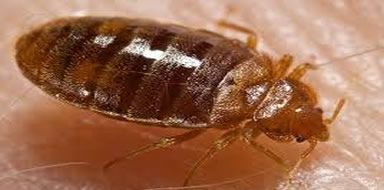
Bed bugs are bloodsucking parasites feeding on humans, chickens, bats and some domestic animals. A bed bug bite is painless but their saliva can cause irritation, swelling and redness.
They feed at night or at any time if the room is dark and live in bedclothes, mattresses, bedsprings and frames, soft furnishing, cracks and crevices and under wallpaper.
Females lay between 200-500 eggs in batches of 10-50, on rough surfaces such as wood or paper. Eggs are white, sticky and about 1/3 inch long. They are laid in cracks or crevices, never on people. A bed bugs entire life cycle can take between 5 weeks to 4 months, depending upon the temperature and availability of food.
Because they are so small, bed bugs are hard to see. They do leave signs that they are present, such as black or brown spots of dried blood, eggs, egg shells and cast skins on the surfaces where the bugs rest.
Request a Bed Bug Treatment Quote online or call 07535 884 433 24 Hr Service
Why Choose Cleaned Rite Pest Control For Bed Bug Problems?
 Fast Emergency Call Out
- Local, Reliable Rapid Response
- Highly Experienced Pest Controllers
- Effective Solutions for Bed Bug Problems
- Affordable Treatment for Bed Bugs
- Certified RSPH Standards
- Registered NPTA Members
- Environmentally Friendly to Wildlife
- 5 Star Rated Customer Reviews
- Discreet Low Cost Service
Bed Bug Treatments in London
Based in London, Cleaned Rite Pest Control are ideally located to provide treatments for bed bugs in Stratford, Hackney, East Ham, Barking, Ilford, Dagenham, Holloway, Walthamstow, Chigwell, Wood Green, Harringay and Canary Wharf.
All work is carried out to the highest standards, and at very competitive prices. Our staff are fully qualified to NPTA (Level 2) Award in Pest Management and can carry out a free survey and provide a detailed report, itemising our findings, recommendations and the cost of providing this service.